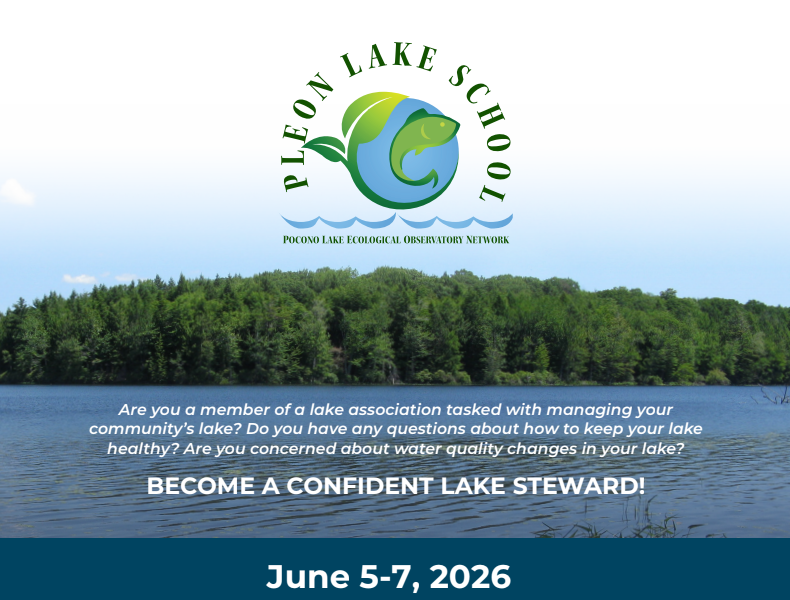
PLEON Lake School
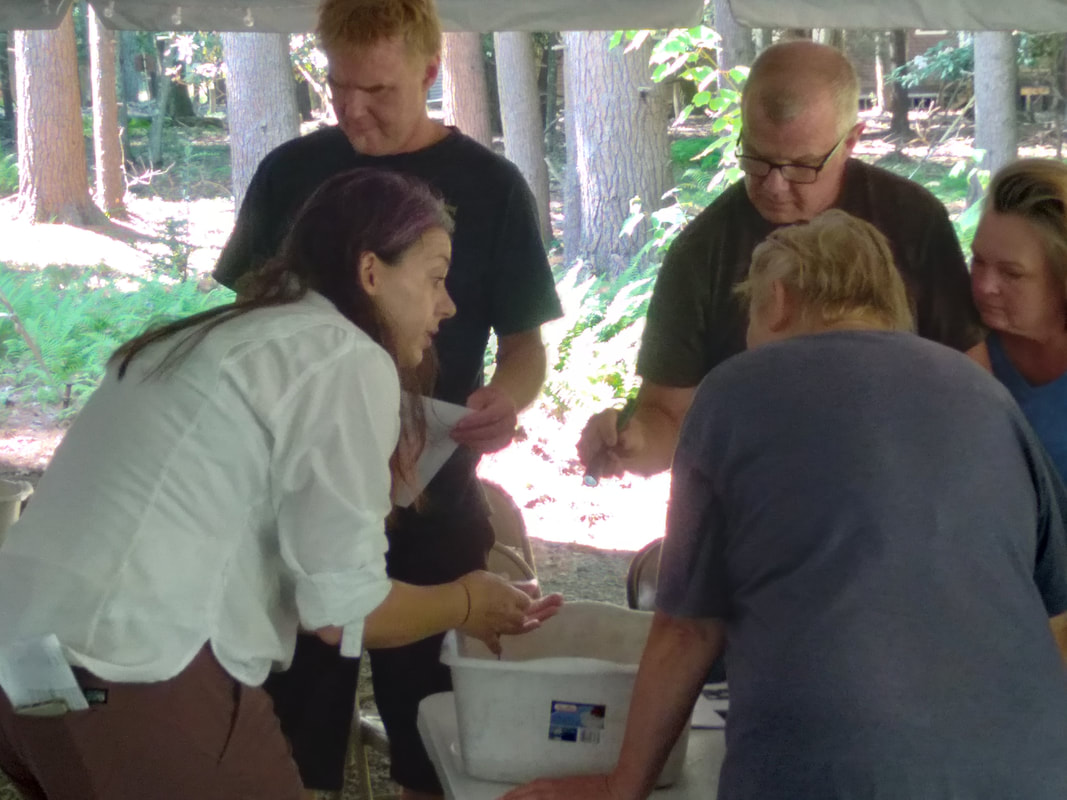
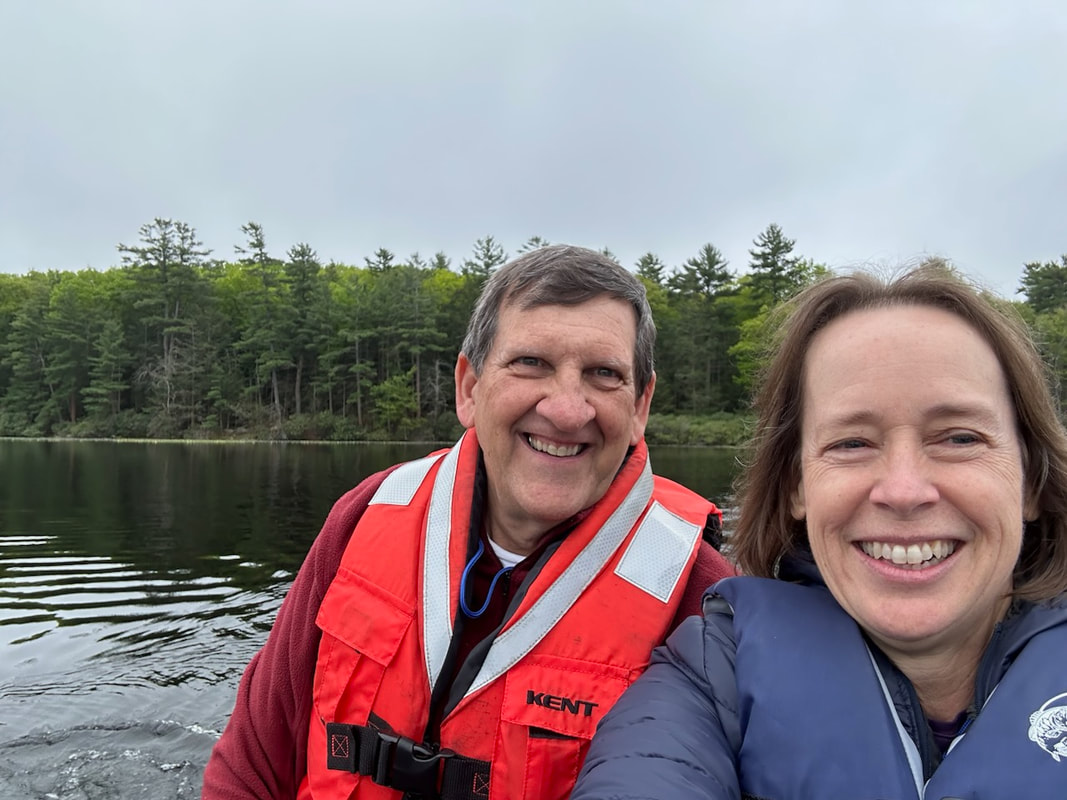
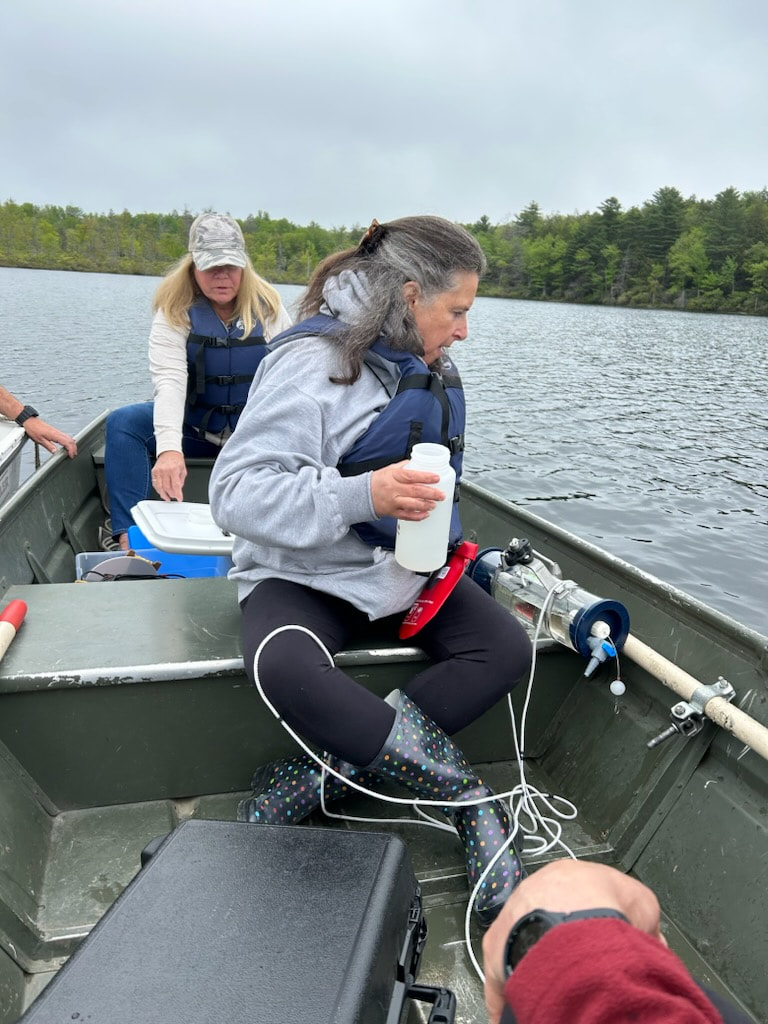
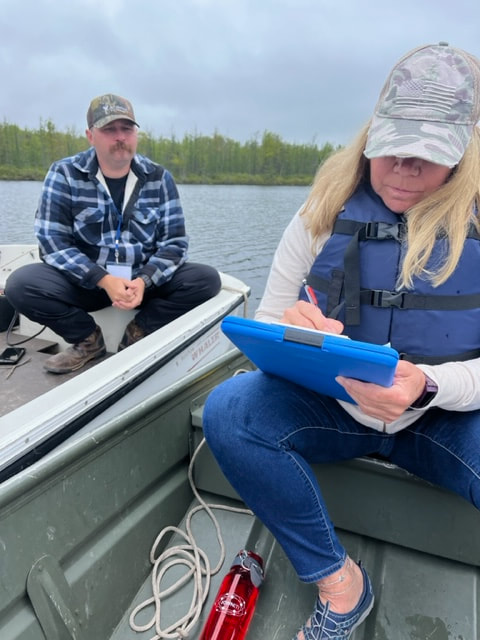
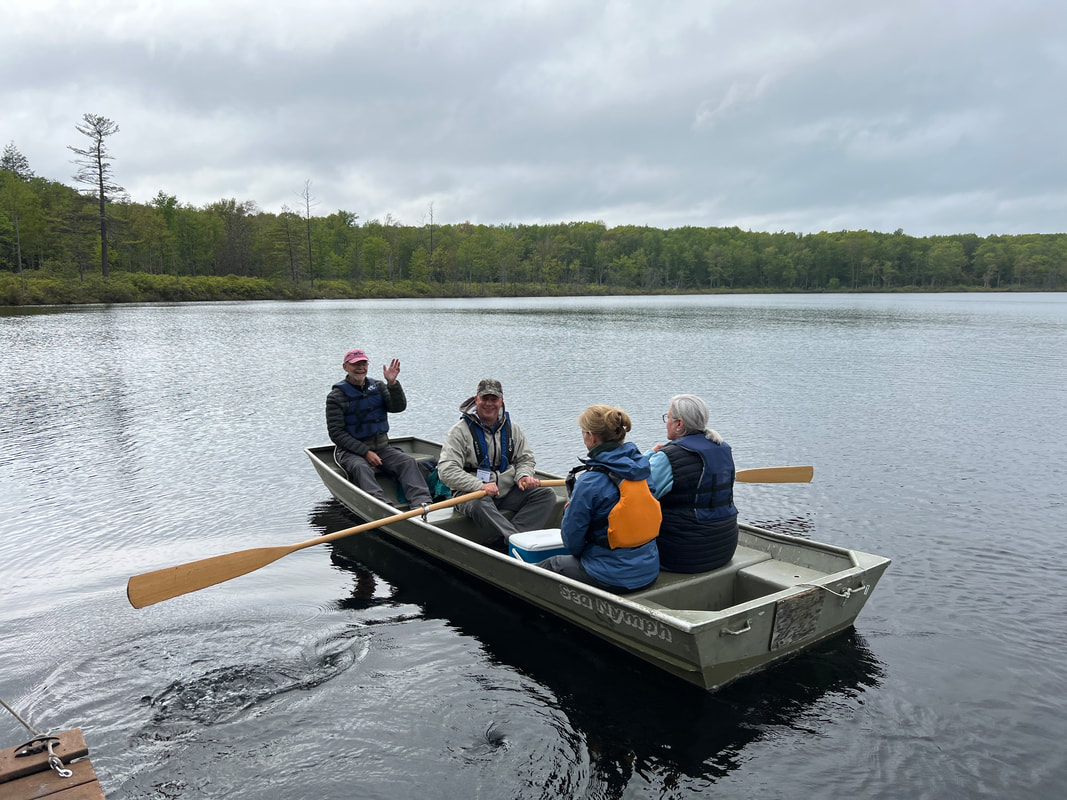
PLEON’s Lake School is an immersive, hands-on, field-based lake stewardship course targeted toward members of community associations tasked with managing their community’s lakes. Participants will learn lake ecology basics, gain hands-on experience monitoring water quality, practice interpreting data, discuss emerging threats to PA lakes, and join a network of regional lake associations facing the same challenges.
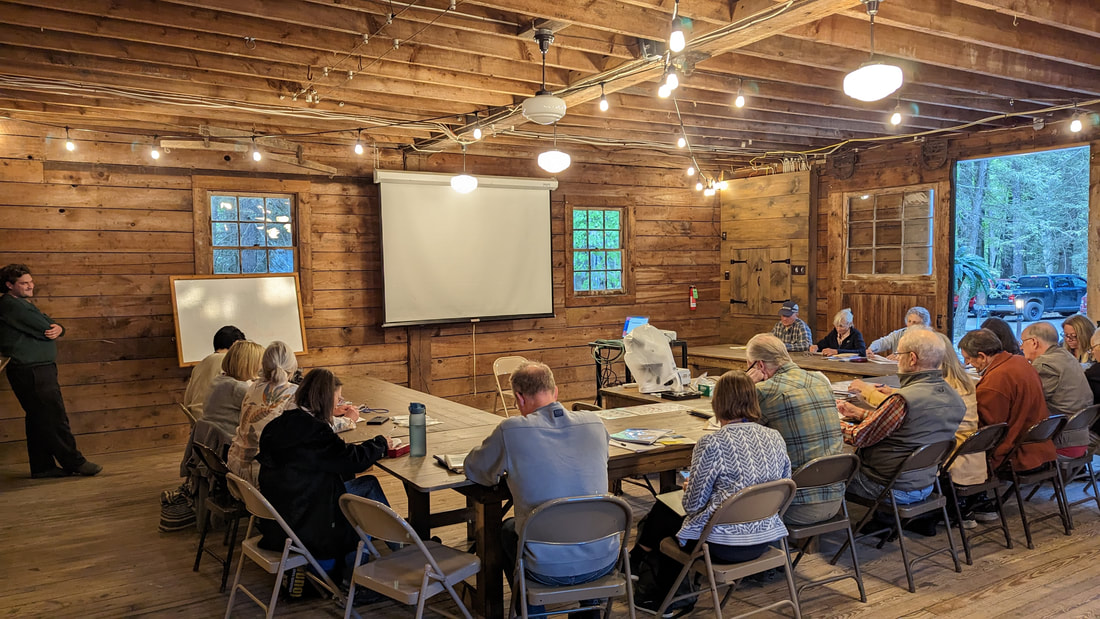
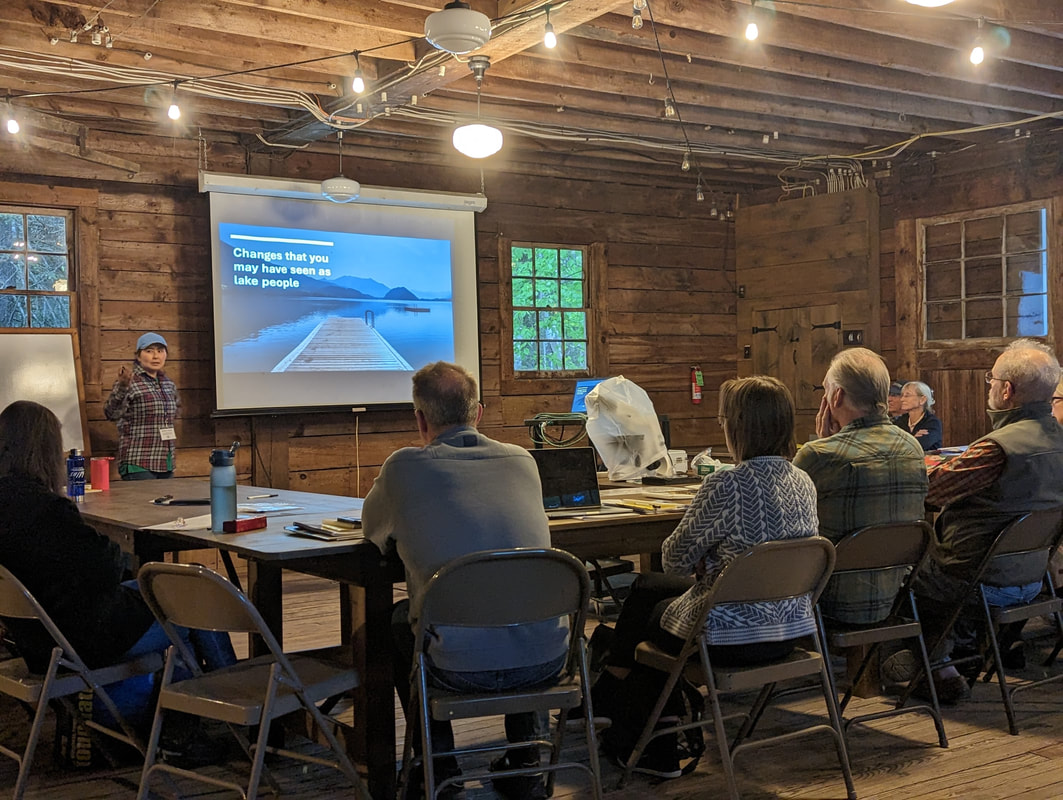
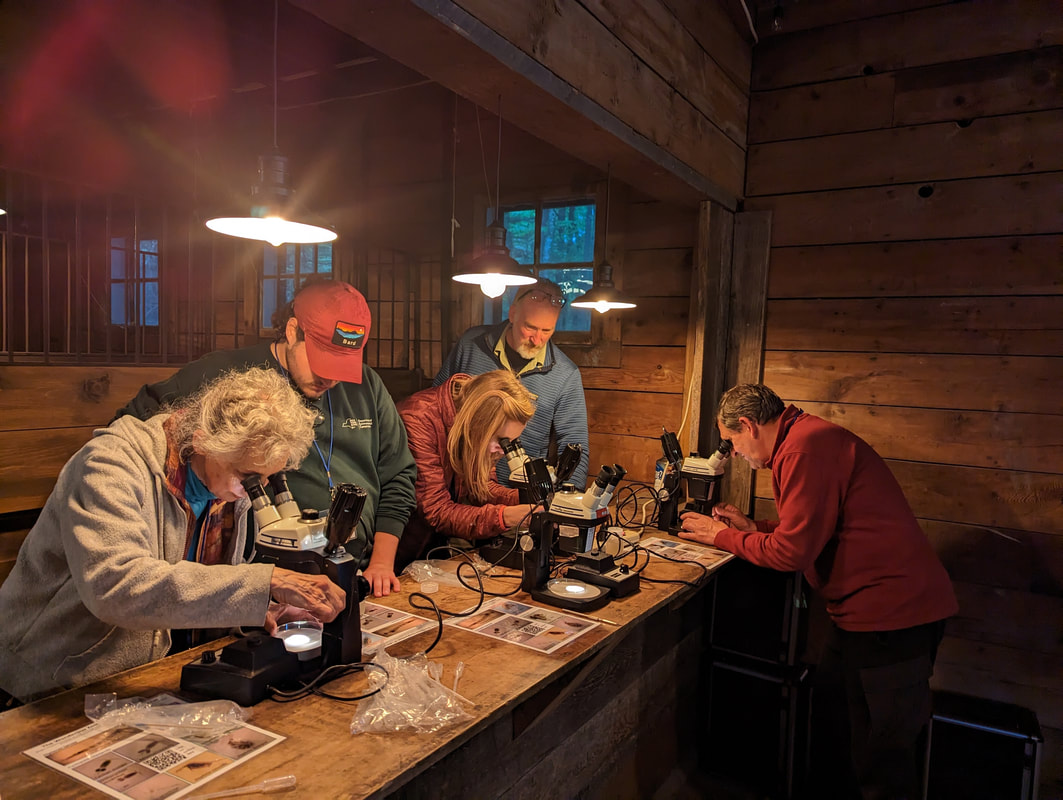
Lake School Topics
- Chemical and Physical Properties of Your Lake
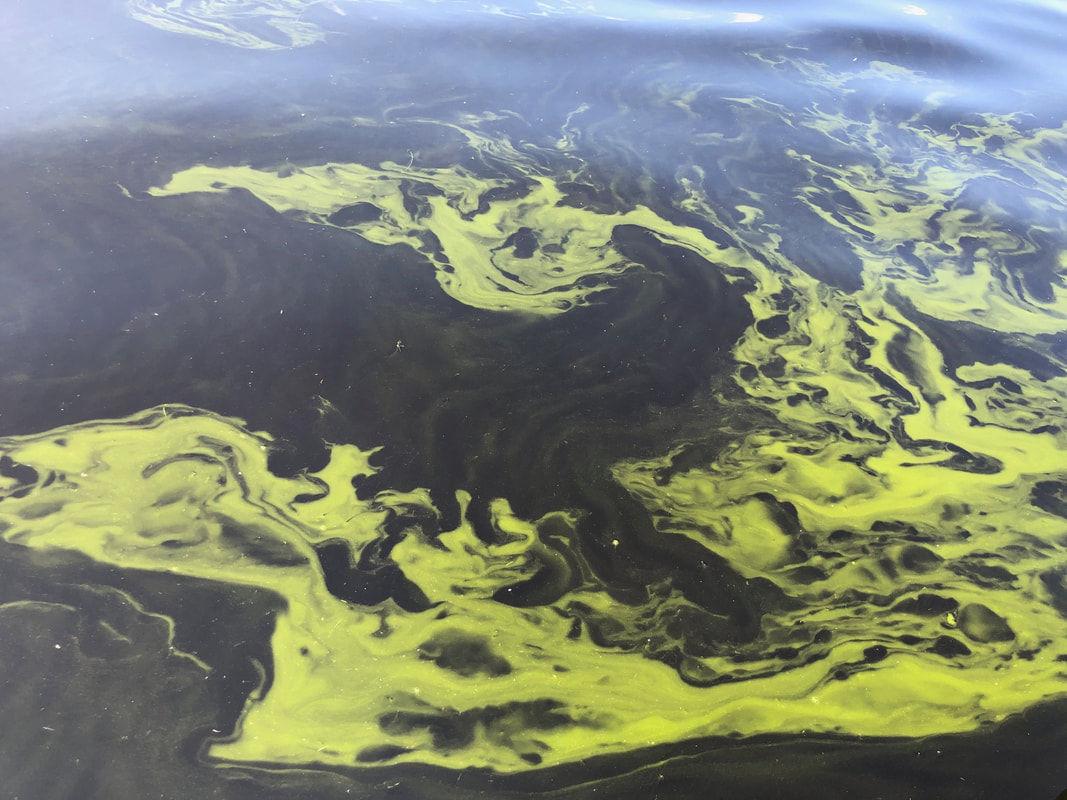
- Algae and Harmful Algal Blooms
- Zooplankton in Your Lake
- Challenges for Water Clarity
- Biology Wet Lab
- Aquatic Plants and Invasive Species
- Understanding Fish Population Health
- Considering Nutrients
- Science Behind Management Strategies
2026 Lake School Instructors
Dr. Beth Norman is the Director of Science and Research at Lacawac Sanctuary. She has over 15 years of experience working in Appalachian freshwaters and extensive experience in field sampling and laboratory analysis. Her areas of expertise include nutrient cycling and aquatic biogeochemistry. She has been the PLEON Director since 2018.

Dr. Elizabeth Carroll is an assistant professor of Biology at Holy Family University and is a member of the PLEON Science Advisory Group. Her areas of expertise include aquatic plant ecology and identification, nutrient influences in aquatic ecosystems, and macroinvertebrate identification. She developed and leads PLEON’s Ecology of Aquatic Plants workshop.
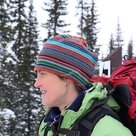
Dr. Janet Fischer is a professor of Biology at Franklin & Marshall College and is a member of the PLEON Science Advisory Group. Dr. Fischer has over 30 years of experience conducting research in lakes in the Poconos, Wisconsin, and the Canadian Rockies. Her areas of expertise include zooplankton ecology, behavior, and phenology as well as the effect of climate change on lake ecosystems.
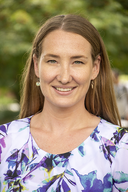
Dr. Sarah Princiotta is an aquatic microbial ecologist with training in phycology. She received her B.S. and Ph.D., both in biology, from Temple University. Following her graduate studies, Dr. Princiotta served as the Director of Research and Education at Lacawac Sanctuary Biological Field Station (Lake Ariel, PA). She completed postdoctoral work on plankton dynamics along a land-use gradient at Hancock Biological Station (Murray State University, KY).
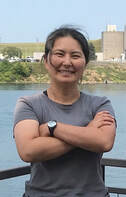
Dr. Kiyoko Yokota: Dr. Yokota is an associate professor of Biology at State University of New York (SUNY) Oneonta and the President of the North American Lakes Management Society. Her areas of expertise include environmental assessment, phytoplankton ecology, and lake food webs. She is a Certified Lake Manager and leads the NALMS Professional Certification Program.
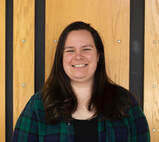
Alexandra Bros is PhD student at Miami University of Ohio. She served as the PLEON Technician for several years and has conducted research in Lake Lacawac and Lake Wallenpaupack. She is interested in algal communities and drivers of harmful algal blooms.
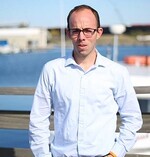
Dr. Chris Dempsey is an associate professor at Gannon University in Erie, PA. He is a broadly trained aquatic ecologist that works in streams and lakes with his students. Chris’s primary research interests include carbon cycling and long-term data collection/monitoring.
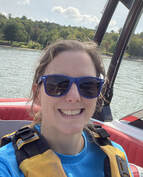
Theresa Black has served as Lacawac’s PLEON Manager since 2024. She runs PLEON’s lake monitoring program as well as the Wallenpaupack Water Quality in Action citizen science program.
Other Lake School Developers and Instructors
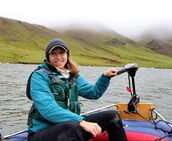
Dr. Kristin Strock is an associate professor of Environmental Science and Chair of the Environmental Studies Department at Dickinson College. She has established a career exploring issues that are critical to effectively managing freshwater resources and has published on lake response to changes in climate and atmospheric deposition, algal ecology, food-web interactions, watershed biogeochemistry, and freshwater resource management.
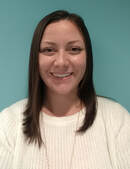
Lauren Knose is a doctoral candidate in the Department of Biology at Miami University of Ohio. She is the Student Director of the North American Lakes Management Society and a member of the PLEON Science Advisory Group. Her areas of expertise include cyanobacteria dynamics, harmful algal bloom detection and response, and phytoplankton ecology. She developed and leads PLEON’s Harmful Algal Bloom workshop.
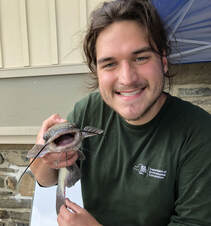
Benjamin Harris is a current graduate student at Bard College’s Center for Environmental Policy. He is studying environmental education and is especially interested in community engagement, aquatic ecology, and freshwater ecosystem management.